
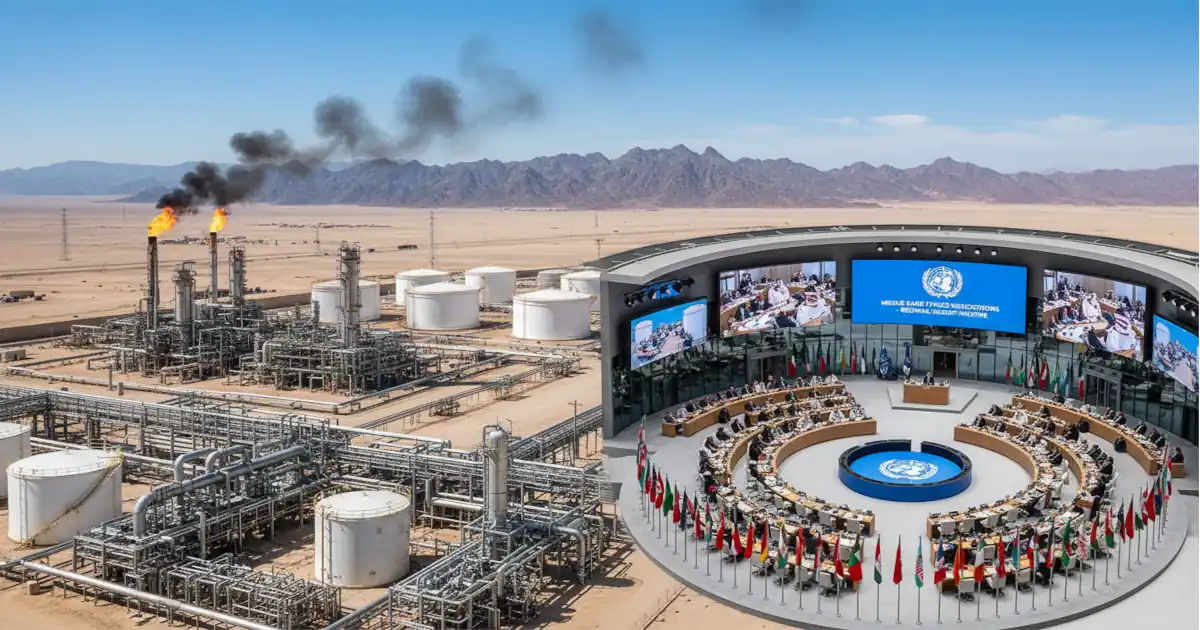
Understanding the Current Situation Israel Iran News
The Middle East remains a region of intense focus for global watchers. Two major countries continue to face each other with growing concerns. The situation between these nations affects millions of people worldwide. Understanding what happens between them helps us see the bigger picture.
Recent developments have caught international attention. Many countries watch closely as events unfold. The relationship between these two nations shapes regional stability. People around the world want to know what might happen next.
ALSO READ: Understanding Recent Developments Between America and Iran
Recent Developments in the Region
Military Actions and Responses
The past few weeks brought significant changes to the area. Military movements have increased on both sides. Defense systems remain on high alert across the region. Neighboring countries prepare for possible spillover effects.
Air defense systems work around the clock. Radar stations monitor the skies constantly. Military personnel stay ready for any sudden changes. These preparations show how serious the situation has become.
Reports suggest ongoing operations in border areas. Intelligence agencies gather information continuously. Satellite images show troop movements and equipment positioning. International observers track these developments carefully.
Diplomatic Efforts Continue
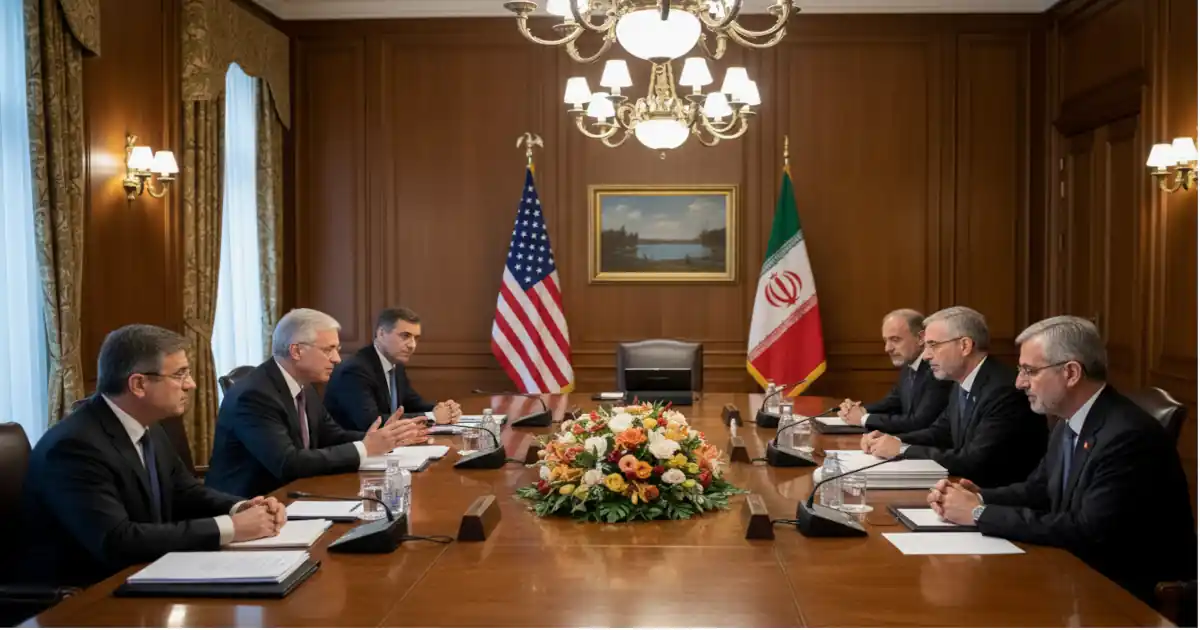
World leaders work hard to prevent further escalation. Phone calls between capitals happen daily. Diplomatic channels remain open despite tensions. Mediators from various countries offer their assistance.
The United Nations holds emergency meetings regularly. Security Council members discuss possible solutions. Ambassadors present their countries’ positions clearly. Finding common ground proves challenging but necessary.
European nations send special envoys to the region. They meet with officials from both sides. These conversations aim to reduce misunderstandings. Peace remains the ultimate goal for everyone involved.
Impact on Ordinary People
Daily Life Changes
Regular citizens face the biggest challenges during such times. Families worry about their safety every day. Schools sometimes close when alerts sound. Parents keep their children close to home.
Markets experience price increases for basic goods. Fuel costs rise due to uncertainty. People stock up on essential supplies. Communities come together to support each other.
Travel becomes more difficult and expensive. Airports implement stricter security measures. Border crossings take longer than usual. Tourism drops significantly during tense periods.
Economic Effects Spread Wide
Businesses struggle to maintain normal operations. International companies reconsider their investments. Stock markets react to every news update. Currency values fluctuate with each development.
Oil prices jump when tensions rise. This affects countries far from the conflict zone. Transportation costs increase globally. Consumers everywhere feel the impact at gas stations.
Small business owners face particular hardships. They cannot easily relocate or adjust. Supply chains break down or slow significantly. Jobs become less secure for many workers.
ALSO READ: Is ZeroHedge Reliable? A Complete Guide to Understanding This Financial News Site
International Community Response
Major Powers Take Positions
The United States monitors the situation very closely. American officials make statements urging calm. Military assets in the region stay ready. Diplomatic teams work to find peaceful solutions.
European countries coordinate their response together. They issue joint statements calling for restraint. Economic measures remain possible if needed. Humanitarian aid stands ready for civilians.
Russia and China watch developments with interest. They have their own relationships to consider. Their votes matter in international forums. Balance of power remains a key concern.
Regional Neighbors React
Countries sharing borders feel especially anxious. They prepare for potential refugee flows. Border security is reinforced carefully. Humanitarian supplies are stockpiled in advance.
Saudi Arabia calls for de-escalation publicly. The UAE urges dialogue between parties. Jordan works to protect its own interests. Egypt offers to facilitate talks if needed.
These nations understand that regional stability matters most. Their economies depend on peaceful conditions. Tourism and trade require calm environments. They push hard for diplomatic solutions.
What Experts Say About israel iran news
Military Analysts Provide Insights
Defense experts study every movement carefully. They analyze capabilities on both sides. Military technology plays a crucial role. Modern weapons make conflicts more dangerous.
Analysts warn against accidental escalation scenarios. Small incidents could trigger larger responses. Communication failures increase risks significantly. Clear channels between militaries help prevent mistakes.
Cyber warfare capabilities concern many specialists. Digital attacks could disrupt critical infrastructure. Power grids and water systems become targets. Protection of civilian systems requires constant vigilance.
Political Scientists Examine Motivations
Internal politics drive many external actions. Leaders face pressure from different groups. Public opinion shapes government decisions. Elections and popularity affect strategic choices.
Historical grievances run deep between nations. Past conflicts leave lasting memories. Trust remains extremely difficult to build. Time alone cannot heal all wounds.
Regional influence motivates strategic positioning. Both sides seek to strengthen their standing. Allies and partnerships matter greatly. Power dynamics shift with each development.
ALSO READ: Exploring Zerohedg: Insights into Financial News and Analysis
Key Issues at the Heart of israel iran news
Nuclear Program Concerns
One nation’s nuclear activities worry many countries. International inspectors seek full transparency. Disagreements exist over peaceful versus military purposes. Verification remains a significant challenge.
Previous agreements fell apart over time. New negotiations face similar obstacles. Trust deficit makes progress very slow. Each side blames the other for failures.
Technical capabilities continue to advance regardless. Scientific knowledge cannot be reversed easily. This creates ongoing security dilemmas. Solutions must address current and future concerns.
Proxy Conflicts Across Borders
Fighting rarely happens directly between the main parties. Instead, allied groups engage in various locations. This pattern spreads instability across multiple countries. Civilians suffer most from these indirect confrontations.
Lebanon sees regular border incidents occur. Syria remains a complex battleground. Yemen’s conflict involves regional powers too. Iraq experiences periodic violence as well.
These proxy relationships complicate peace efforts significantly. Many different actors pursue their own goals. Coordinating ceasefires becomes extremely difficult. Local populations pay the highest price.
Media Coverage and Information Flow
How News Spreads Today
Social media makes information travel instantly worldwide. Videos and images appear within minutes. Verification becomes harder with so much content. False reports sometimes spread before corrections arrive.
Official government channels provide their own narratives. State media presents particular viewpoints clearly. International news agencies try to remain neutral. Audiences must consider multiple sources carefully.
Journalists face significant risks covering these events. Access to conflict zones is often restricted. Reporting under dangerous conditions requires great courage. Accurate information serves the public interest best.
Understanding Different Perspectives
Each side tells the story differently. Historical contexts get emphasized selectively. Justifications for actions vary greatly. Finding objective truth requires careful analysis.
Cultural differences affect how events are interpreted. Translation issues sometimes cause misunderstandings. Symbols and gestures carry different meanings. Context matters enormously for accurate comprehension.
ALSO READ: ZeroHed: The Financial Commentary Platform That Shapes Market Perspectives
Looking Ahead: Possible Scenarios
Hopes for De-escalation
Many people work toward reducing tensions daily. Backchannel communications continue despite public rhetoric. Small confidence-building measures could help significantly. Step-by-step approaches might yield better results.
Economic incentives could potentially encourage cooperation. Trade benefits everyone when peace prevails. Development projects require stable conditions to succeed. Prosperity depends on security for all.
Younger generations often think differently from older ones. New leadership might bring fresh perspectives eventually. Time could allow healing if given the proper chance. Hope remains alive despite current difficulties.
Risks of Further Escalation
Miscalculations could lead to unintended consequences quickly. Accidents happen even with good intentions. Technical failures might trigger automatic responses. Human error remains possible at any time.
Domestic pressures sometimes push leaders toward aggression. Showing strength becomes politically necessary occasionally. Backing down appears weak to some audiences. This dynamic creates dangerous incentive structures.
ALSO READ: What Is ZeroHedge? History, Views, and Controversies Explained Here
What This Means for Global Stability
The situation affects far more than just two countries. Global supply chains depend on regional stability. Energy markets react to every tension spike. Economic growth worldwide faces potential disruption.
International law and norms get tested continuously. How the world responds sets important precedents. Future conflicts may follow similar patterns. Establishing clear boundaries benefits everyone long-term.
Conclusion: Staying Informed Matters
Understanding these complex issues helps us all. Knowledge allows better decision-making by citizens everywhere. Supporting peaceful solutions requires informed public opinion. Democracy works best when people stay educated.
The latest Israel-Iran news continues to develop every single day. Multiple factors influence what happens next. Patience and wisdom will prove essential going forward. Peace remains possible if enough people work toward it.
Everyone can contribute to better outcomes somehow. Supporting humanitarian organizations helps suffering people directly. Contacting elected officials expresses citizen priorities clearly. Sharing accurate information combats dangerous misinformation effectively.
The world watches and waits for positive developments. Tomorrow brings new possibilities for progress always. Hope and realistic assessment must balance each other. Working together creates the best chance for peace.
Read more knowledgeable blogs on: myzerohedgeview.com






Leave a Reply