
Introduction
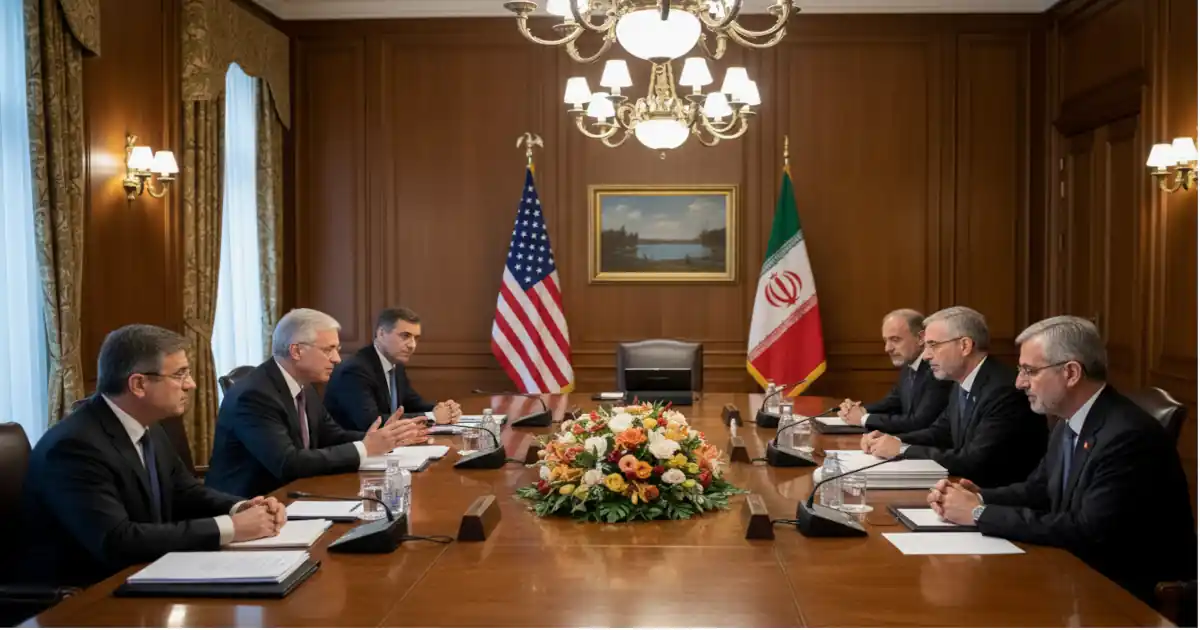
The relationship between the United States and Iran remains one of the most-watched topics globally. Recent months have brought significant changes to this complex partnership. Understanding us and iran news helps people grasp how these two nations interact. This article explains the current situation in simple terms. We will explore diplomatic talks, regional security, and economic matters. Everyone can understand these important global events with clear explanations.
Recent Diplomatic Talks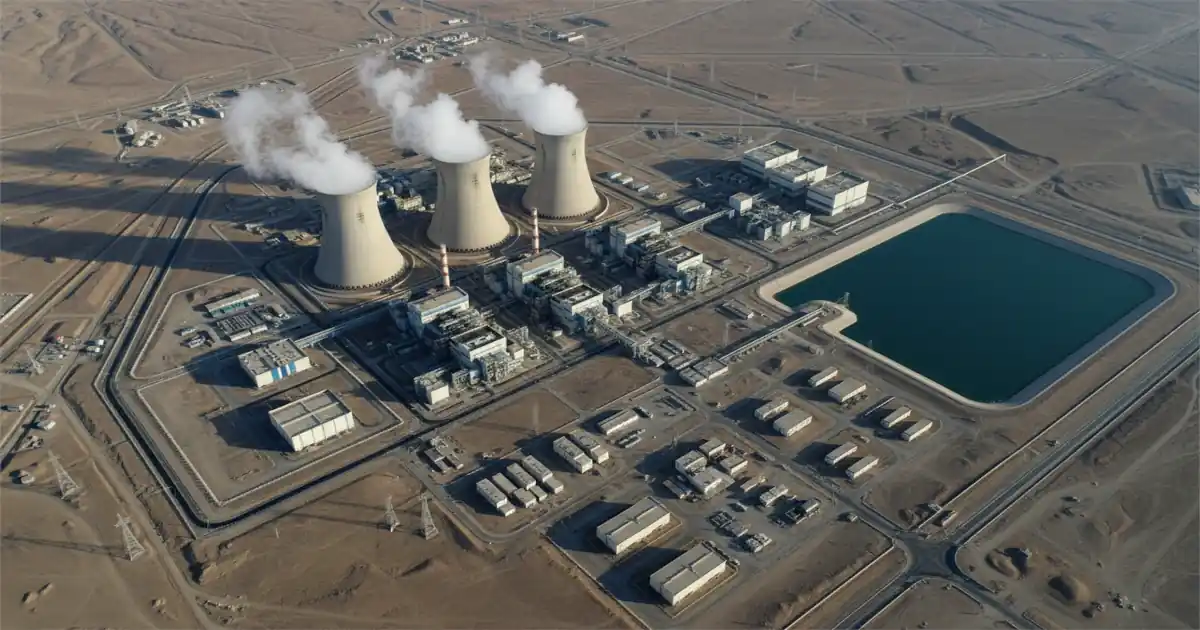
New Conversations Begin
American and Iranian officials have started fresh discussions about important issues. These conversations happen through different channels and countries. Switzerland often helps both sides communicate when they cannot meet directly. The talks focus on solving long-standing problems between the nations.
Diplomats work hard to find common ground on difficult topics. They discuss prisoners, economic restrictions, and nuclear programs. Each meeting brings small steps toward better understanding. However, progress moves slowly due to years of mistrust.
Prisoner Exchange Progress
Both countries recently completed a significant prisoner swap deal. American citizens held in Iran returned home to their families. Iranian nationals detained in America also gained their freedom. This exchange showed that cooperation remains possible despite other disagreements.
Families celebrated reunions after years of separation and worry. The swap included five Americans and five Iranians. Additionally, frozen Iranian funds became accessible for humanitarian purchases. This deal represented a rare moment of agreement between the governments.
ALSO READ: Discover Zerohesge: Your Guide to Financial News
Nuclear Program Concerns
Understanding the Nuclear Issue
Iran’s nuclear program creates ongoing tension in international relations. The country insists its program serves peaceful energy purposes only. However, many nations worry about potential weapons development. International inspectors monitor Iranian facilities to ensure compliance with agreements.
Tehran has increased uranium enrichment levels beyond previous limits. This action raises concerns among Western governments and regional neighbors. The International Atomic Energy Agency regularly visits Iranian nuclear sites. Their reports inform global discussions about Iran’s atomic activities.
The Iran Nuclear Deal Status
The Joint Comprehensive Plan of Action was signed in 2015. This agreement limited Iran’s nuclear program in exchange for sanctions relief. America withdrew from this deal in 2018 under different leadership. Since then, Iran has gradually reduced its compliance with the agreement.
Current us and iran news often mentions efforts to revive this nuclear deal. European nations continue supporting the original framework and encourage American re-engagement. China and Russia also participate in these multilateral discussions. Finding a path forward remains challenging for all parties involved.
Economic Sanctions Impact
How Sanctions Work
Economic restrictions affect Iran’s ability to trade with other countries. American sanctions target Iran’s oil exports, banking systems, and technology access. These measures aim to pressure Tehran into changing certain policies. Iranian citizens face daily challenges due to limited access to goods.
Food and medicine remain exempt from most sanctions for humanitarian reasons. However, banking restrictions make even permitted trade difficult to conduct. Iranian businesses struggle to receive international payments or access global markets. The economy has weakened significantly under sustained pressure.
Iran’s Economic Response
Tehran has developed creative methods to overcome economic isolation. The country strengthens trade relationships with neighboring nations and Asian partners. Iranian leaders promote domestic production to replace imported goods. Barter systems and alternative payment methods help bypass traditional banking channels.
Despite these efforts, inflation affects ordinary Iranian families significantly. Unemployment rates have risen, particularly among young people. The government faces growing public frustration over economic hardships. These internal pressures influence Iran’s willingness to negotiate with Western powers.
Regional Security Dynamics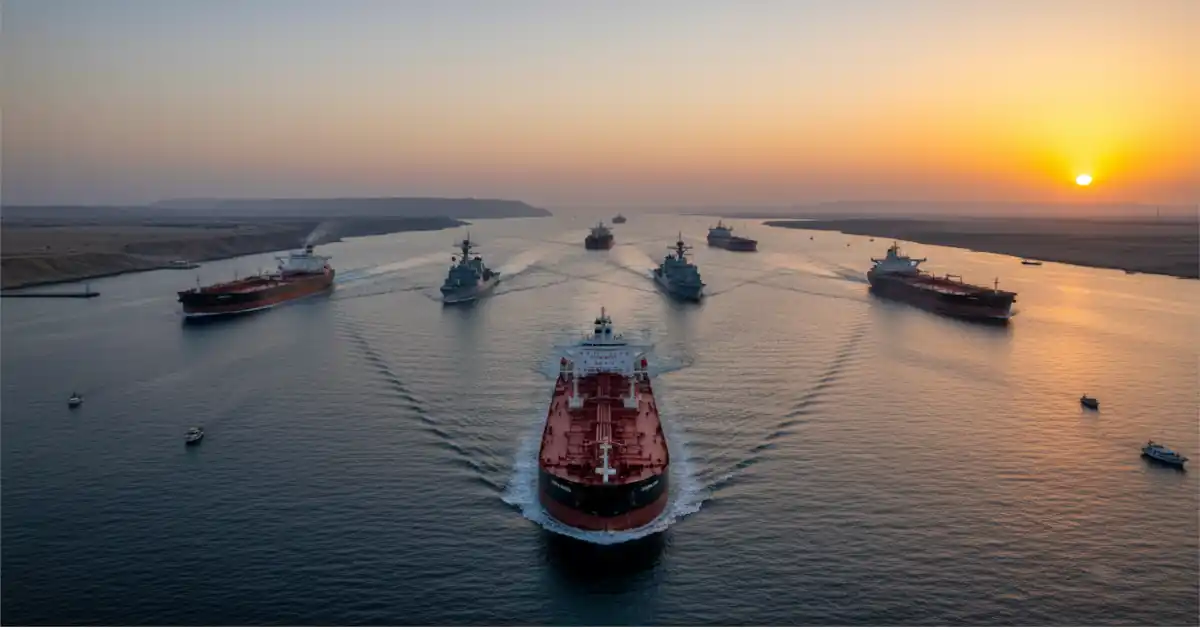
Middle East Tensions
The broader Middle East region experiences ongoing conflicts involving Iranian interests. Tehran supports various groups across Iraq, Syria, Lebanon, and Yemen. These relationships concern American allies who view them as destabilizing forces. Regional security remains a central issue in us and iran news coverage.
American military forces maintain a significant presence throughout the Gulf region. Naval vessels patrol important shipping lanes through the Strait of Hormuz. Air bases in neighboring countries allow a quick response to regional threats. This military positioning aims to deter Iranian aggression and reassure allies.
Proxy Group Activities
Iranian-backed groups operate in several countries across the Middle East. The Houthis in Yemen conduct operations affecting international shipping routes. Hezbollah in Lebanon maintains substantial military capabilities along Israel’s northern border. Iraqi militia groups occasionally target American interests in their country.
These proxy relationships allow Iran to project influence beyond its borders. However, they also create friction with America and its regional partners. Incidents involving these groups often escalate tensions between Washington and Tehran. Managing these proxy dynamics challenges diplomatic efforts for improved relations.
ALSO READ: Ron Filipkowski: From Republican Prosecutor to Liberal Media Voice
Israel’s Security Concerns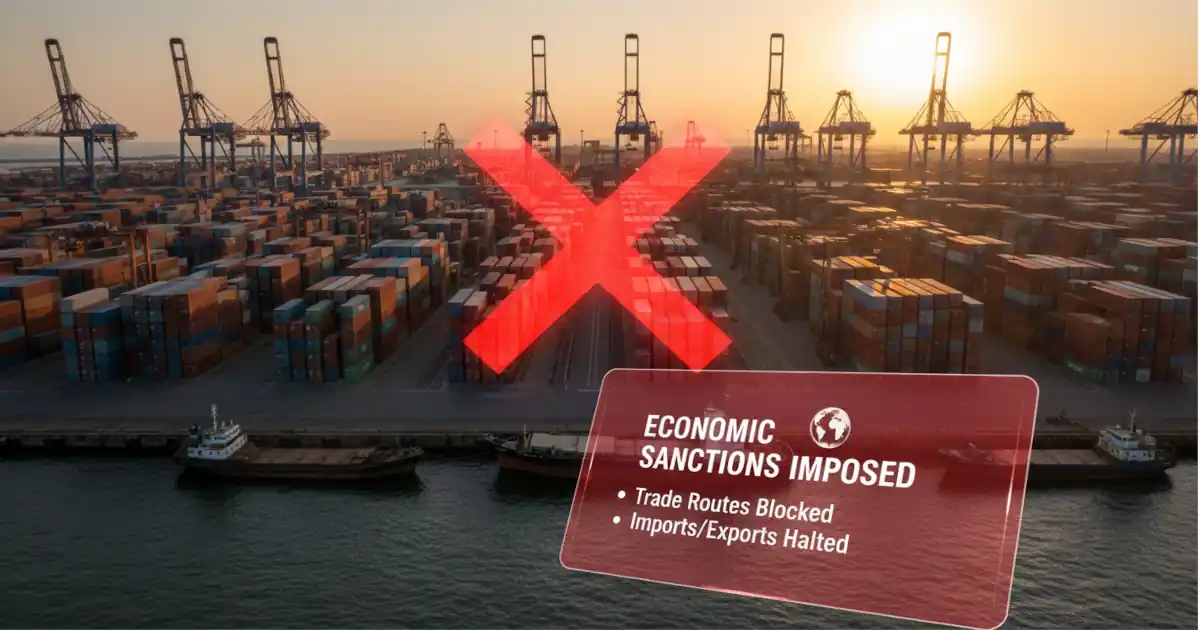
The Israeli Perspective
Israel views Iran as its primary security threat in the region. Iranian nuclear development particularly worries Israeli military and political leaders. Tel Aviv maintains close coordination with Washington on Iran-related matters. Israeli intelligence services actively monitor Iranian activities throughout the Middle East.
Recent us and iran news includes Israeli concerns about Iranian military presence near its borders. Syria hosts Iranian forces and allied militia groups close to Israeli territory. Lebanon’s Hezbollah possesses thousands of rockets potentially threatening Israeli cities. These security challenges influence American policy toward Iran.
Military Cooperation
America and Israel share extensive intelligence about Iranian programs and activities. Joint military exercises are being prepared for various regional scenarios involving Iranian forces. Washington provides advanced weapons systems to help Israel maintain military superiority. This partnership remains central to American Middle East strategy.
Gulf States’ Positions
Saudi Arabia’s Stance
Saudi Arabia competes with Iran for regional influence and leadership. The two nations support opposing sides in Yemen’s ongoing conflict. Riyadh worries about Iranian nuclear capabilities and missile development programs. However, recent diplomatic outreach suggests possible relationship improvement between the rivals.
Direct talks between Saudi and Iranian officials have resumed after years. China helped facilitate this diplomatic breakthrough between the regional powers. Both countries recognize that reduced tensions could benefit their economies. This development adds complexity to American calculations regarding Iran policy.
United Arab Emirates Approach
The UAE pursues pragmatic engagement with Iran despite security concerns. Dubai maintains significant trade relationships with Iranian businesses and citizens. However, Abu Dhabi also participates in American-led security arrangements throughout the Gulf. This balanced approach reflects careful navigation of competing interests.
International Community Involvement
European Union’s Role
European nations remain committed to diplomatic engagement with Iran. France, Germany, and Britain continue to support the nuclear agreement framework. They often serve as intermediaries between Washington and Tehran. European companies face difficult choices between American sanctions and Iranian business opportunities.
The EU purchases less Iranian oil than before sanctions intensified. However, European leaders publicly disagree with some American pressure tactics. They prefer diplomacy and engagement over isolation and confrontation. This transatlantic difference creates occasional friction within Western alliances.
Russia and China Perspectives
Moscow and Beijing maintain closer relations with Tehran than Western powers. Both nations oppose American sanctions and support Iranian oil purchases. Russia cooperates with Iran on Syrian matters and military technology. China invests in the Iranian infrastructure and energy sector development.
These relationships provide Iran with important economic and political support. They also complicate American efforts to isolate Tehran internationally. Current us and iran news frequently mentions this geopolitical competition among major powers.
ALSO READ: Unusual Whales Twitter: Essential Insights for Traders and Investors
Future Outlook
Potential Pathways Forward
Several scenarios could shape future relations between these two nations. Successful nuclear negotiations might reduce tensions and restore some economic connections. Alternatively, continued standoff could lead to further isolation and regional instability. Much depends on domestic politics within both countries.
American elections influence Iran’s policy direction and negotiation possibilities. Iranian leadership faces pressure from both hardliners and reformers domestically. External events in the Middle East also affect bilateral relationship dynamics. Finding sustainable solutions requires patience, creativity, and genuine compromise from both sides.
What Ordinary People Should Know
Regular citizens worldwide benefit from understanding these complex international relationships. Us and iran news affects global energy prices, regional stability, and international security. Informed people can better evaluate political decisions and media coverage. Simple explanations help everyone participate in important global conversations.
Peace and stability serve everyone’s interests better than conflict and confrontation. Diplomacy requires time, effort, and willingness to understand different perspectives. Both American and Iranian people deserve peaceful, prosperous futures. International cooperation makes solving shared challenges possible for all humanity.
Conclusion
The relationship between America and Iran continues evolving through diplomatic, economic, and security dimensions. Recent developments show both progress and persistent challenges in bilateral relations. Understanding us and iran news helps people grasp important global dynamics affecting many nations. Nuclear concerns, regional security, and economic sanctions remain central issues requiring attention. International cooperation and patient diplomacy offer the best paths toward sustainable solutions. Everyone benefits when nations resolve differences through peaceful dialogue rather than confrontation. Staying informed about these developments empowers citizens to understand their changing world better.
Read more knowledgeable blogs on: myzerohedgeview.com








Leave a Reply