
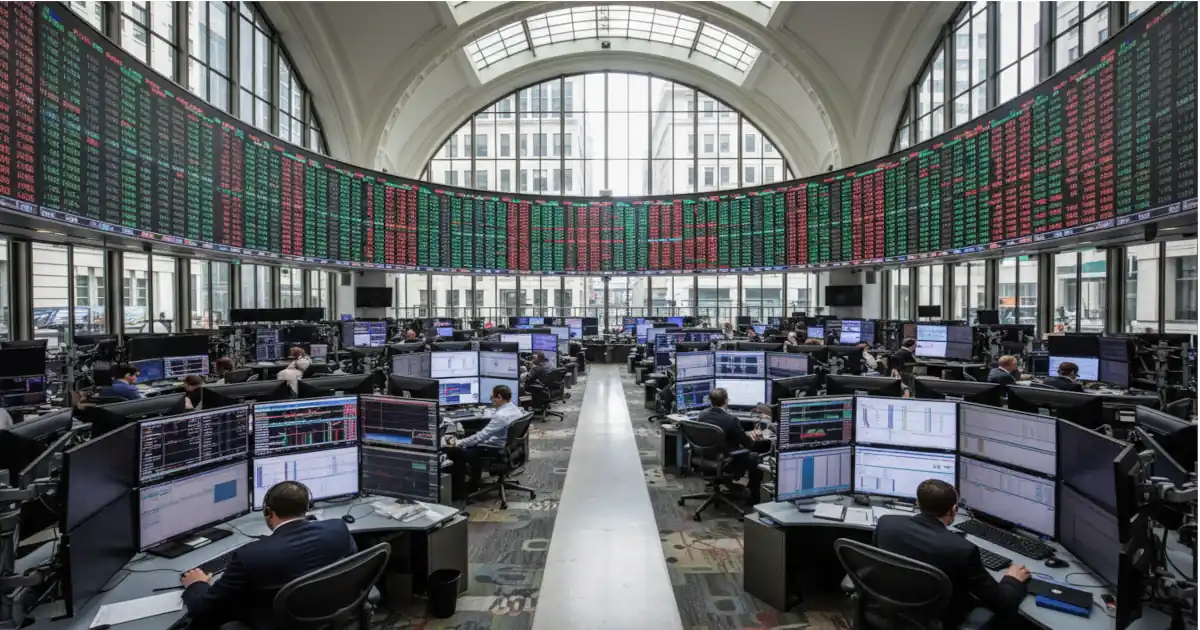
What Is themarketear?
Financial markets can feel scary and confusing. Many people want to understand how money works in the big world. themarketear helps make sense of these complex topics. It breaks down market information into simple pieces that everyone can understand.
Think of it like a weather report for money. Just as weather forecasts help you plan your day, market analysis helps people make smart choices. This guide will teach you everything you need to know about reading market insights.
Why Market Information Matters
Money moves around the world every single day. Stocks go up and down like a roller coaster. Businesses grow or shrink based on many factors. Understanding these changes helps protect your savings and investments.
Imagine you own a lemonade stand. You need to know if people want lemonade today. You check the weather and plan accordingly. Market information works the same way for bigger investments.
Smart investors read market news daily. They watch for patterns and changes. This helps them decide when to buy or sell. Knowledge gives people power over their financial future.
ALSO READ: What Is Zero Hedge Market Ear? Easy Guide to Trading Insights
How Markets Work Simply Explained
Markets are places where people buy and sell things. Stock markets trade company shares. Bond markets deal with loans to governments and businesses. Commodity markets handle physical goods like oil and gold.
Prices change based on supply and demand. When many people want something, prices go up. When fewer people want it, prices fall. This basic rule drives all market movements.
Think about your favorite toy during the holidays. Everyone wants it, so stores charge more money. After the holidays, interest drops and prices fall. Financial markets follow this same simple logic.
Reading Market Trends Like a Pro
Trends show which direction markets are moving. An upward trend means prices are climbing higher. A downward trend means prices are falling. Sideways trends show prices staying mostly flat.
themarketear tracks these patterns carefully every single day. Charts and graphs make trends easy to see. Lines going up show growth and positive movement. Lines going down signal caution and potential problems.
Learning to spot trends takes practice and patience. Start by watching one stock or market index. Notice how it moves over days and weeks. Soon, patterns become clearer and easier to understand.
Important Economic Indicators to Watch
Economic indicators tell us about the health of our economy. The jobs report shows how many people have work. Inflation numbers reveal if prices are rising too fast. Interest rates affect how expensive borrowing money becomes.
Gross Domestic Product measures everything a country produces. Strong GDP growth signals a healthy, growing economy. Weak GDP suggests economic troubles may be coming soon.
Consumer confidence shows how people feel about spending money. Happy, confident consumers buy more products and services. Worried consumers save money and buy less stuff. These feelings ripple through the entire economy quickly.
ALSO READ: King World News: Your Gateway to Alternative Financial Analysis and Market Insights
Different Types of Market Analysis
Technical analysis looks at charts and price patterns only. Analysts study past movements to predict future changes. They use tools like moving averages and trend lines.
Fundamental analysis examines a company’s finances and business strength. Investors read earnings reports and balance sheets carefully. They calculate whether a stock price seems fair or expensive.
Sentiment analysis measures how people feel about markets. Fear and greed drive many investment decisions daily. themarketear combines all three approaches for a complete understanding. This mixed method provides the most accurate market picture possible.
Common Market Terms Made Simple
Bulls are investors who think prices will rise higher. They buy stocks expecting to sell later for profit. Bear markets happen when prices fall for extended periods.
Volatility measures how much prices jump around daily. High volatility means big swings up and down. Low volatility suggests calm, steady market conditions prevail.
Diversification means spreading money across different investments. Never put all eggs in one basket. This strategy reduces risk and protects your savings better.
Liquidity describes how easily you can sell something. Highly liquid assets sell quickly without losing value. Illiquid investments may take time to convert to cash.
How to Start Following Market News
Begin by reading market summaries every morning or evening. themarketear provides clear, simple updates anyone can understand. Start with just five minutes of reading daily.
Focus on major indexes like the S&P 500 first. This benchmark tracks 500 large American companies together. It gives a snapshot of overall market health.
Follow a few companies you know and use personally. If you love a certain phone brand, watch that stock. Familiarity makes learning about markets more interesting and fun.
Set up alerts for big market movements or news. Many apps send notifications when important events happen. This keeps you informed without constant checking required.
ALSO READ: Is ZeroHedge Reliable? A Complete Guide to Understanding This Financial News Site
Understanding Market Cycles and Patterns
Markets move in cycles like the seasons of nature. Expansion phases show growth and rising prices everywhere. Peak periods mark the top before things change direction.
Contraction phases bring falling prices and negative sentiment. Troughs represent the bottom before recovery starts again. These cycles repeat throughout history in predictable patterns.
themarketear helps identify where we are in each cycle. Knowing the cycle stage guides better investment decisions. Buy low during troughs and sell high near peaks.
Each complete cycle takes several years to finish. Patience becomes your greatest asset during this journey. Short-term noise matters less than long-term trends.
Risk Management for Smart Investing
Every investment carries some level of risk. Higher potential returns usually mean higher risk levels too. Understanding this relationship protects you from big losses.
Never invest money you need for daily expenses. Only use extra savings you can afford to lose. This rule keeps financial stress away from your life.
Set stop-loss orders to limit potential damage automatically. These tools sell investments if prices drop too far. They act as safety nets for your portfolio always.
Rebalance your portfolio regularly to maintain proper balance. Sell some winners and buy some losers occasionally. This discipline keeps your risk level appropriate and steady.
ALSO READ: Latest Updates on Middle East Tensions: What You Need to Know About Israel Iran News
The Role of Global Events
World events shake markets in unexpected ways sometimes. Elections change policies that affect business profits directly. Natural disasters disrupt supply chains and production facilities temporarily.
Trade agreements between countries open new market opportunities. Wars and conflicts create uncertainty that scares investors badly. themarketear explains how these events impact your investments specifically.
Central bank decisions move markets dramatically and quickly. Interest rate changes affect borrowing costs for everyone everywhere. Currency values shift based on economic policy announcements daily.
Technology breakthroughs create new industries and investment opportunities. Companies that adapt thrive while others struggle badly. Staying informed helps you spot these changes early enough.
Building Your Investment Knowledge Base
Learning about markets never really stops or ends completely. New situations arise that require fresh understanding always. Commit to continuous education throughout your investment journey ahead.
Read books written by successful investors and market experts. Their wisdom comes from years of real experience. Learn from both their successes and their mistakes equally.
Join online communities where people discuss market topics freely. Ask questions and share your own observations too. Collective knowledge helps everyone grow faster together, always.
themarketear serves as your reliable guide through this journey. Complex topics become clear with simple explanations provided daily. Financial literacy empowers you to take control confidently.
Making Your First Investment Decisions
Start small with money you can truly afford. Practice makes perfect in the investment world, too. Learn from small mistakes before risking larger amounts later.
Research companies thoroughly before buying any stock ever. Understand what they sell and who their customers are. Good research reduces risk and increases the chances of success significantly.
Consider low-cost index funds for your first investments. These funds spread risk across many companies automatically. They provide instant diversification without complicated decisions required.
Track your investments, but avoid checking prices constantly. Markets fluctuate naturally in the short term. Focus on long-term goals rather than daily price changes.
Conclusion: Your Path Forward with Market Knowledge
Understanding financial markets opens doors to better financial futures. Knowledge removes fear and builds confidence in your decisions. Start learning today and improve your skills gradually over time.
Markets reward patience, discipline, and continuous learning always. Use resources like themarketear to stay informed and educated. Simple language makes complex topics accessible to everyone everywhere.
Take small steps forward each day on this journey. Your future self will thank you for starting now. Financial freedom begins with understanding how markets really work.
Read more knowledgeable blogs on: myzerohedgeview.com







Leave a Reply