

The federal government faces another potential shutdown. Millions of Americans want answers about their essential services. Congressional leaders continue negotiating behind closed doors. Federal workers worry about their next paycheck. Understanding the situation helps you prepare for what comes next. This guide explains everything you need to know about the current funding crisis.
Understanding the Current Government Shutdown
The government runs out of money when Congress fails to pass funding bills. Federal agencies must close their doors without proper authorization. Essential workers continue their jobs without immediate pay. Non-essential employees face temporary furloughs. This shutdown affects nearly 2 million federal workers across the country. National parks have limited access or are closed completely. Some government websites stop updating their information. Processing times for passports and visas slow down significantly.
The shutdown happened because lawmakers couldn’t agree on spending priorities. Democrats and Republicans have different views on budget allocation. Border security funding remains a major sticking point. Healthcare programs also create disagreement between the parties.
ALSO READ: How to Understand Your Marketear Better: A Simple Guide
What Causes Government Funding Gaps
Congress must pass appropriations bills every fiscal year. The fiscal year starts on October 1st each year. Lawmakers have twelve separate spending bills to approve. Each bill funds different parts of the federal government. Sometimes Congress runs out of time before the deadline. They pass a continuing resolution to buy more time. A CR keeps the government running at current funding levels. This temporary fix usually lasts a few weeks or months.
Problems arise when even a CR cannot pass both chambers. The House and Senate must both approve any funding measure. The President must also sign the bill into law. Any breakdown in this process triggers a shutdown.
The Current Political Landscape
when is the next vote to reopen the government depends on ongoing negotiations. Party leaders meet daily to find common ground. Each side has specific demands they refuse to abandon. Public pressure mounts as the shutdown continues. The Speaker of the House controls when bills reach the floor. Senate procedures require 60 votes to overcome procedural hurdles. This means bipartisan support becomes necessary. Neither party currently holds enough votes to act alone.
Moderate members from both parties seek compromise solutions. They propose smaller funding packages to restart essential services. Leadership remains cautious about bringing failed votes to the floor. No one wants to showcase division within their party.
ALSO READ: Latest Updates on Middle East Tensions: What You Need to Know About Israel Iran News
Key Sticking Points in Negotiations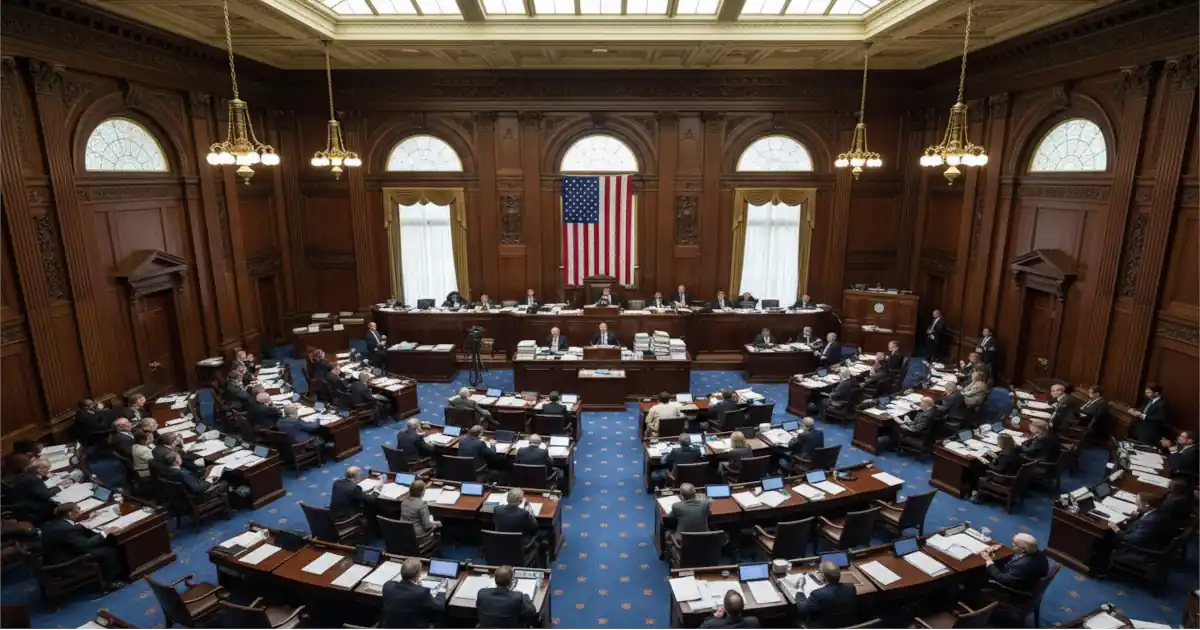
Border security funding dominates the current discussions. Republicans want increased funding for physical barriers and personnel. Democrats prefer technology-based solutions and immigration reform. The dollar amount creates significant disagreement between negotiators. Defense spending represents another major area of contention. Hawks want increased military budgets for global threats. Fiscal conservatives worry about adding to the national debt. Finding the right balance challenges even experienced lawmakers.
Domestic programs also face scrutiny from both sides. Education funding, healthcare initiatives, and environmental programs need authorization. Each program has passionate supporters and vocal critics. Cutting any program triggers strong political backlash.
Timeline of Recent Shutdown Events
The current funding crisis began when the previous CR expired. Initial talks seemed promising but quickly broke down. The House passed one version while the Senate preferred another. Conference committees tried to merge the different approaches. Last week, negotiators announced they made significant progress. When is the next vote to reopen the government seemed imminent at that moment. However, new disagreements emerged over spending details. The vote was postponed indefinitely pending further discussions.
Federal agencies started implementing their shutdown contingency plans. Essential services continue but many offices closed their doors. Employees receive furlough notices or work without guaranteed pay. Contractors face even more uncertainty about their future.
How Congressional Voting Works
Understanding the voting process helps predict when action might occur. The House requires a simple majority of 218 votes. The Senate needs 60 votes to overcome potential filibusters. These thresholds make bipartisan cooperation essential. Committee chairs play crucial roles in moving legislation forward. They decide which bills get hearings and markups. Floor leaders schedule votes based on the likelihood of passage. No one wants to schedule a vote destined to fail.
The President can influence negotiations but cannot force votes. Veto threats change how Congress approaches compromise. Presidential support makes passage much more likely. Public statements from the White House shape negotiating dynamics.
ALSO READ: ZeroHedge App: Your Guide to Financial News and Market Updates
Current Status of Negotiations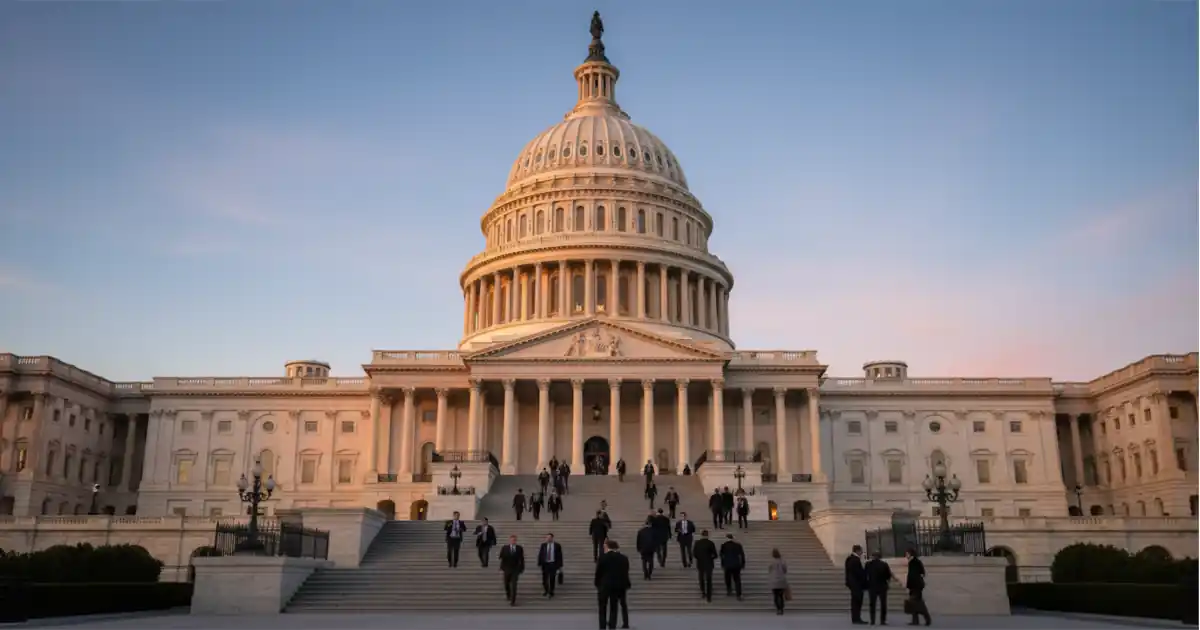
Behind-the-scenes talks continue around the clock. Senior staff members draft compromise language for review. Party leaders consult with their respective caucuses. Everyone seeks a solution that allows them to claim victory. When is the next vote to reopen the government remains uncertain at this moment. Sources close to negotiations suggest movement on key issues. However, previous predictions have proven premature and inaccurate. Lawmakers learned to avoid announcing votes before securing commitments.
The current proposal includes elements both parties can support. It provides short-term funding while bigger issues get resolved. This approach has worked during previous shutdown situations. Leaders express cautious optimism about reaching a final agreement soon.
What Different Scenarios Mean for You
If negotiations succeed, the government could reopen within days. Federal workers would return to their jobs immediately. Back pay gets processed for those who worked without compensation. Services gradually return to normal operating status. A failed vote extends the shutdown indefinitely. When is the next vote to reopen the government becomes even harder to predict. More federal workers face financial hardship and uncertainty. Public frustration with Congress grows with each passing day.
Some experts predict a partial reopening of specific agencies. This compromise funds the least controversial departments first. Border security and other disputed items get addressed separately. This staged approach might satisfy both political bases.
Historical Context of Government Shutdowns
The federal government has shut down multiple times throughout history. The longest shutdown lasted 35 days in recent years. That crisis affected 800,000 federal workers and their families. Economic losses reached billions of dollars nationwide. Most shutdowns resolve within a few days or weeks. Public pressure eventually forces politicians to find a compromise. Neither party wants to appear responsible for prolonged dysfunction. Historical patterns suggest resolution comes sooner rather than later.
Previous shutdowns taught valuable lessons about managing these crises. Essential services always continue regardless of funding gaps. Markets typically recover quickly once normal operations resume. Long-term economic damage remains relatively limited in most cases.
ALSO READ: Exploring Zerohedg: Insights into Financial News and Analysis
Who Gets Affected Most
Federal employees bear the immediate burden of any shutdown. They miss paycheques while bills continue arriving. Some live paycheck to paycheck without emergency savings. Food banks and community organizations help struggling workers. Government contractors often face worse situations than direct employees. They rarely receive back pay after shutdowns end. Small businesses lose revenue that they cannot recover. Some contractors permanently close after extended funding gaps.
Regular citizens face delays in essential services. Tax refunds take longer to process and arrive. Social Security applications stack up on desks. Veterans seeking benefits encounter longer wait times.
Expected Timeline for Resolution
Political insiders suggest a vote could happen this week. When is the next vote to reopen the government might be answered within days. However, unexpected obstacles could derail current plans. Previous predictions have proven unreliable during complex negotiations. Leadership wants to avoid keeping members in session indefinitely. Many lawmakers have scheduled events in their home districts. Holiday recesses create additional pressure to resolve issues quickly. These practical considerations often accelerate final decisions.
The most likely scenario involves a short-term funding extension. This buys time for comprehensive budget negotiations to continue. When is the next vote to reopen the government? That depends on progress. Most experts expect multiple votes before permanent solutions emerge.
How to Stay Informed
Official government websites provide the most reliable information. Congress.gov tracks all legislation moving through both chambers. Individual member websites explain their positions on current issues. These sources offer facts without partisan spin. Major news organizations cover shutdown developments constantly. They interview key negotiators and analyze the latest proposals. However, speculation sometimes gets reported as fact. Cross-reference multiple sources before accepting any claims.
Social media provides real-time updates from elected officials directly. Many lawmakers tweet about negotiations as they happen. When is the next vote to reopen the government often gets announced first online. Follow verified accounts from congressional leadership for accurate information.
ALSO READ: King World News: Your Gateway to Alternative Financial Analysis and Market Insights
What You Can Do
Contact your representatives to express concerns about the shutdown. Phone calls and emails actually influence legislative decisions. Be respectful but clear about how this affects you. Personal stories resonate more than generic complaints. Prepare for potential continued disruptions to federal services. Build emergency savings if your job depends on the government. Research alternative options for time-sensitive applications. Planning reduces stress during uncertain times.
Stay engaged with the political process beyond this crisis. Vote in every election at every level. Support candidates who prioritize governing over grandstanding. When is the next vote to reopen the government matters less than preventing future shutdowns.
Conclusion
The government shutdown continues to affect millions of Americans daily. Congressional leaders work toward a compromise on contentious budget issues. The exact timing of the next vote remains uncertain. However, political and practical pressures suggest resolution will come soon. Understanding the process helps you navigate this challenging time. Stay informed through reliable sources and verified information. Prepare for potential delays in the services you need. Most importantly, remain engaged with your elected representatives.
The American system eventually produces solutions to these crises. History shows that shutdowns always end eventually. Politicians face too much pressure to let dysfunction continue indefinitely. Normal government operations will resume when a compromise finally emerges.
Read more knowledgeable blogs on: myzerohedgeview.com








Leave a Reply