
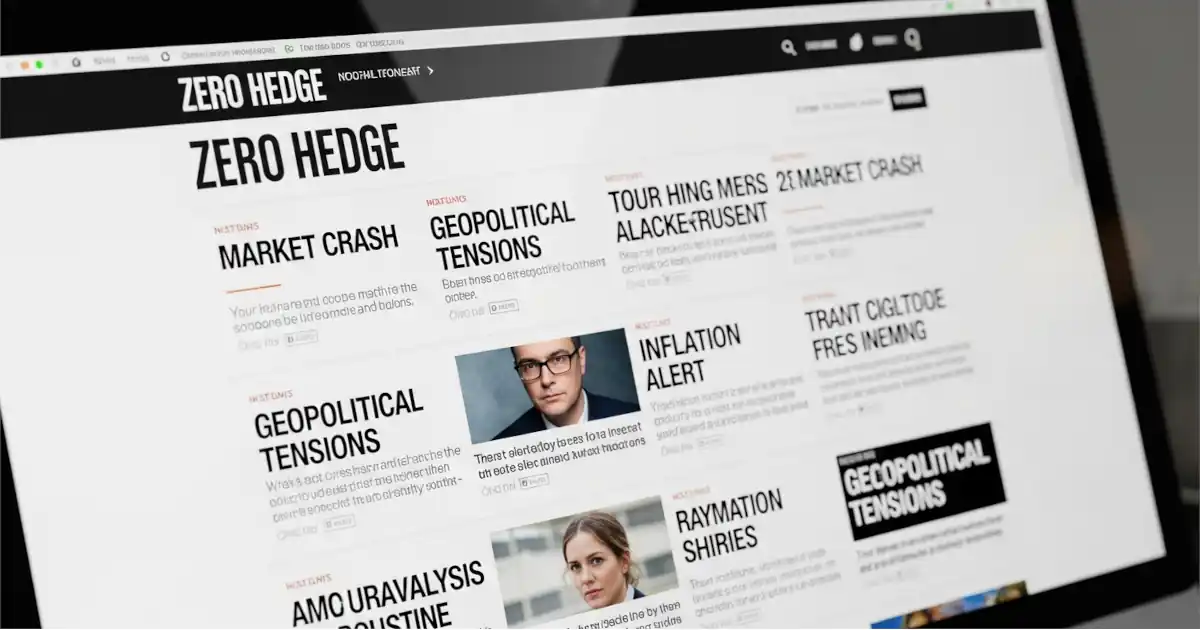
What Is This Popular Financial Website?
The internet hosts many websites about money and markets. One site stands out for its unique approach. Zerohedge.com started during a big financial crisis. This crisis happened in 2008 and 2009. Many people lost money. Banks failed. The economy struggled badly.
A man named Daniel Ivandjiiski created the site. He used to work in finance. He traded money for big companies. But regulators banned him from that work. So he decided to start writing instead. He wanted to share his views on money and markets.
The site uses a fake name for its writers. They call themselves “Tyler Durden.” This name comes from a famous movie. The movie is called Fight Club. Using this name keeps the writers’ real identities secret. Multiple people write under this one name.
ALSO READ: What Is ZeroHedge? History, Views, and Controversies Explained Here
How The Site Started
The timing of the site’s launch was important. People wanted to understand what went wrong. The big banks had failed. Millions lost their jobs. Families lost their homes. Everyone wanted answers about the crisis.
Zerohedge.com provided those answers from a different angle. The site blamed banks and governments. It said they made bad choices. It warned that more problems would come. This message attracted many readers quickly.
The site’s motto is interesting. It says survival rates drop to zero eventually. This sounds dark and gloomy. But it reflects the site’s general outlook. The writers often expect bad things to happen. They warn about crashes and failures.
What Kind Of Content Appears There?
The website covers many topics now. It started with just financial news. Now it includes politics too. It discusses world events. It talks about wars and conflicts. It examines government policies.
Financial content remains the main focus. The site analyzes stock markets daily. It watches bond prices closely. It tracks gold and silver. It monitors oil prices. Currency movements get regular attention. Economic data receives detailed analysis.
The site takes a bearish view often. “Bearish” means expecting prices to fall. The writers predict crashes frequently. They warn about recessions regularly. They doubt government promises. They question official statistics. This skeptical approach defines their style.
Market professionals read the site daily. Traders check it for ideas. Investors look for warnings. Financial advisors scan the headlines. The site influences how many people think. Its reach extends across Wall Street.
ALSO READ: ZeroHedge com: Reputation, Controversies & Credibility
Who Writes The Articles?
The Tyler Durden name hides many writers. In 2016, some real names became public. Colin Lokey revealed himself as a writer. Tim Backshall also contributed content. Both men had finance backgrounds. They understood markets deeply.
These writers brought different skills. Lokey focused on political angles. Backshall specialized in credit markets. Together they created varied content. The site published many articles daily. Some days featured dozens of posts.
The writing style is direct. Sentences stay short and punchy. Headlines grab attention quickly. Words create urgency and concern. Readers feel they must act. This approach builds engagement effectively.
Zerohedge.com aggregates content from other sources too. It shares articles from major newspapers. It posts research from banks. It highlights independent analysts. This mix provides comprehensive coverage. Readers find everything in one place.
Why The Site Became Controversial
Not everyone trusts the website. Critics raise several concerns. Some say it spreads false information. Others claim it supports certain governments. Accusations of bias appear regularly.
Social media platforms took action before. Twitter banned the site in 2020. The site had 670,000 followers then. Twitter said it violated rules. The ban caused big debates. Later Twitter reversed this decision. The account came back online.
Facebook also blocked the site briefly. In 2019, content disappeared suddenly. Facebook called it a mistake. They blamed automated systems. The content returned quickly. But questions about censorship remained.
Copyright issues created legal problems too. The Wall Street Journal sued successfully. Zerohedge.com had copied their articles. The court ordered payment of $140,000. This covered 37 different articles. The site now credits sources properly.
ALSO READ: www ZeroHedge: What It Is, Why It Matters, and How to work It Smartly
The Business Behind The Website
Running the site costs money. Advertising provides the main income. Banner ads appear throughout pages. Companies pay for these spaces. More visitors mean more money. This creates pressure for traffic.
Traffic numbers matter greatly internally. Writers track page views closely. Popular articles get rewarded. Sensational headlines drive clicks. This business model shapes content choices. Drama attracts more readers.
The site operates from Bulgaria. This connection surprised many people. Domain registration showed Bulgarian ownership. A company called ABC Media Ltd owns it. This foreign connection raised questions. Some wondered about outside influences.
Staff members work remotely worldwide. The internet allows this flexibility. Writers submit articles electronically. Editors review and publish quickly. The site updates constantly throughout each day.
What Readers Should Know
Zerohedge.com offers valuable perspectives sometimes. Market analysis can be insightful. Data presentation is often thorough. Charts and graphs help understanding. Technical details get explained clearly.
But readers must stay careful. Every prediction needs verification. Other sources should confirm facts. One website should never be enough. Cross-checking information protects against mistakes.
The site predicts many crashes. Most predictions don’t come true. Being constantly bearish means being often wrong. Even broken clocks show correct time twice daily. Critical thinking helps separate good from bad.
Some articles mix facts with opinions. Political bias appears in many posts. Distinguishing between them takes effort. New readers struggle with this especially. Experience helps identify the difference.
ALSO READ: Is ZeroHedge Reliable? A Complete Guide to Understanding This Financial News Site
The Site’s Growing Influence
Mainstream acceptance has increased recently. The site received White House press credentials. This happened in April 2025. Official recognition marked a milestone. The site joined established news organizations.
Millions visit the website monthly. Social media followers exceed 2.4 million. Zerohedge.com reaches huge audiences regularly. Young investors discover it frequently. Older professionals reference it commonly.
A podcast extends the site’s reach. Episodes feature debates and discussions. Financial topics get explored deeply. Guests include various experts. The show attracts dedicated listeners.
Market moving power has grown. When the site highlights something, people notice. Stock prices sometimes react. Trading volumes can increase. This influence carries real responsibility.
Understanding The Economic Philosophy
The site follows Austrian economics. This school of thought values free markets. It opposes government intervention. It worries about money printing. It expects boom and bust cycles.
Credit cycles receive special attention. The writers watch debt levels closely. They warn when borrowing grows too much. They predict when bubbles will burst. This framework guides their analysis.
Gold gets promoted as safe money. The site recommends precious metals often. Zerohedge.com questions paper currency regularly. This reflects deeper philosophical beliefs. Hard assets seem more trustworthy.
Central banks face constant criticism. The Federal Reserve gets attacked frequently. The European Central Bank receives similar treatment. Monetary policy decisions get questioned automatically. This skepticism defines the site’s character.
ALSO READ: Discover Zeo Hedge: A Simple Guide to Finance News
Making Smart Decisions
Use the website as one information source. Never rely on it alone. Compare its views with others. Mainstream financial news offers balance. Academic research provides depth.
Remember that fear sells clicks. Scary headlines attract attention naturally. But markets go up mostly. Crashes happen but recover eventually. Long-term investors should stay calm.
The site performs better during crises. When markets crash, predictions look smart. During good times, warnings seem excessive. Context matters for evaluation. Timing affects accuracy significantly.
Educational value exists despite problems. New investors learn market terminology. Complex concepts get simplified sometimes. Charts teach technical analysis basics. These benefits shouldn’t be dismissed.
Final Thoughts On The Platform
Financial media needs different voices. Zerohedge.com provides an alternative view. Mainstream outlets often seem too optimistic. This site balances that tendency. Healthy skepticism has real value.
But balance requires multiple sources. Read widely across different viewpoints. Check facts before making decisions. Your money deserves careful protection. Quick reactions often cause mistakes.
The site will likely continue growing. Controversy attracts attention naturally. Financial markets always need watchers. Skeptics serve important purposes. Democracy benefits from diverse opinions.
Understanding the site’s background helps greatly. Knowing the biases improves judgment. Recognizing the business model explains choices. This knowledge creates better readers. Smart consumers make better decisions always.
Read more knowledgeable blogs on: myzerohedgeview.com










Leave a Reply